
Why SPC Flooring Is Becoming the Smart Choice for Modern Homes
Time: 2026-09-30
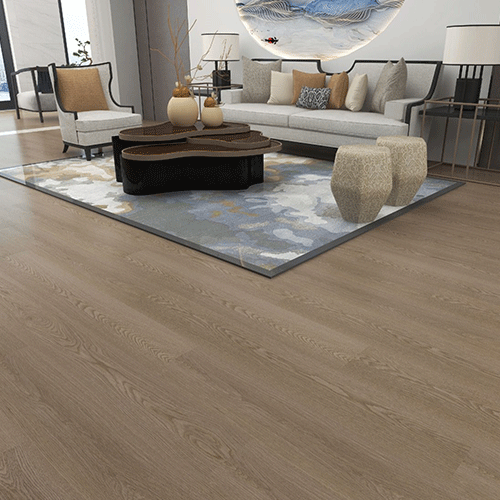
Homeowners are no longer choosing flooring based on looks alone. Today, they want surfaces that look beautiful, feel comfortable, and still survive real life. That is exactly where SPC flooring stands out.
SPC, short for Stone Plastic Composite, is a rigid-core flooring made mainly from limestone powder and PVC. It is produced through high-temperature extrusion and does not rely on glue during manufacturing, which makes it a popular option for buyers who care about indoor air quality and long-term performance.
What makes SPC flooring so popular?
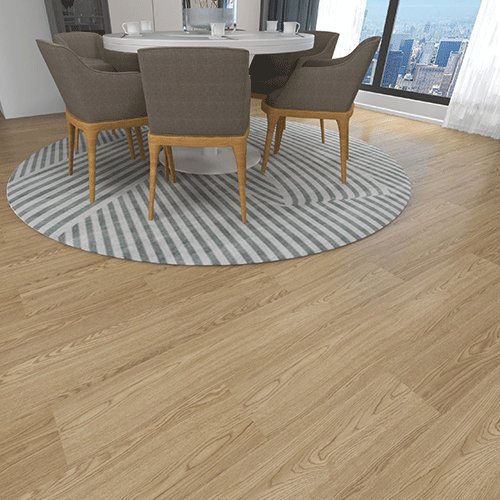
1. It looks like wood or stone, but handles life better
Modern SPC flooring can reproduce realistic wood grain, stone texture, and matte finishes. Thanks to advanced printing and surface treatment, it brings the warmth of natural materials into a space without the high maintenance.
2. It is 100% waterproof
Unlike traditional laminate or solid wood, SPC flooring does not swell easily when exposed to moisture. This makes it suitable for kitchens, bathrooms, basements, balconies, laundries, and other areas where water or humidity is a concern.
3. It is easy to install
Most SPC flooring uses a click-lock system, so it can be installed without glue. For renovation projects, it can often be laid directly over existing flat tiles or hard surfaces, saving time and reducing construction waste.
4. It is durable for busy households
With a wear layer on the surface, SPC flooring resists daily scratches, furniture movement, pet claws, and frequent foot traffic. That is why it works well in living rooms, hallways, offices, retail spaces, and rental properties.
5. It stays stable in changing temperatures
The rigid stone-plastic core gives SPC flooring strong dimensional stability. It is less likely to expand, contract, or deform compared with many wood-based floors, especially in environments with underfloor heating or seasonal humidity changes.
Where can SPC flooring be used?
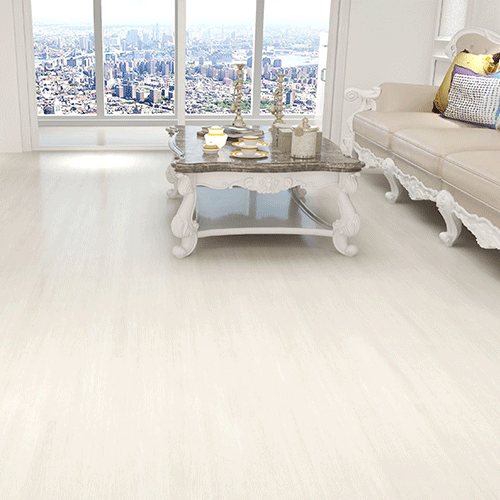
SPC flooring is no longer limited to one room. It can be used across:
Living rooms and bedrooms
Kitchens and bathrooms
Basements and ground floors
Balconies and semi-outdoor areas
Offices, shops, hotels, and schools
For commercial or high-traffic projects, buyers should pay attention to wear-layer thickness, abrasion resistance, and slip resistance. For residential use, comfort underfoot, color tone, and surface texture often matter most.
What should buyers check before ordering?
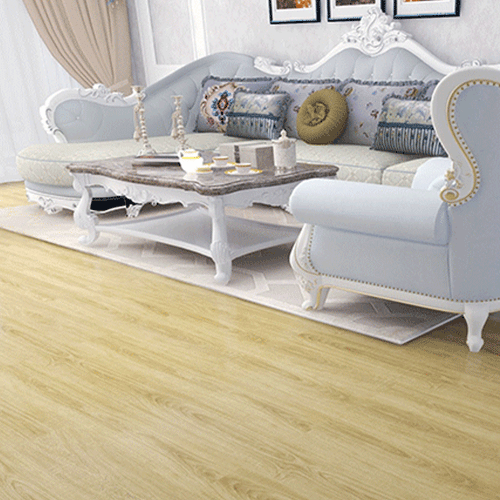
When sourcing SPC flooring, these details help avoid misunderstandings:
Wear layer thickness – thicker wear layers usually mean better durability.
Core density – a denser core often provides better stability and impact resistance.
Locking system – a reliable click system makes installation faster and safer.
Surface texture – EIR, matte, or embossed finishes create different visual effects.
Underlayment – IXPE or cork backing can improve comfort and sound insulation.
The bottom line
SPC flooring is not trying to replace every traditional floor. Instead, it offers a practical balance: natural-looking design, strong performance, simple installation, and low maintenance. For homeowners who want beauty without constant worry, and for distributors who need a reliable, versatile product, SPC remains one of the most compelling choices in today's flooring market.